How a playing pitch strategy is built
Auditing every pitch, asking every club, modelling demand: what a playing pitch strategy proves and how it is used.
The Common Ground editorial deskPublished 5 min read
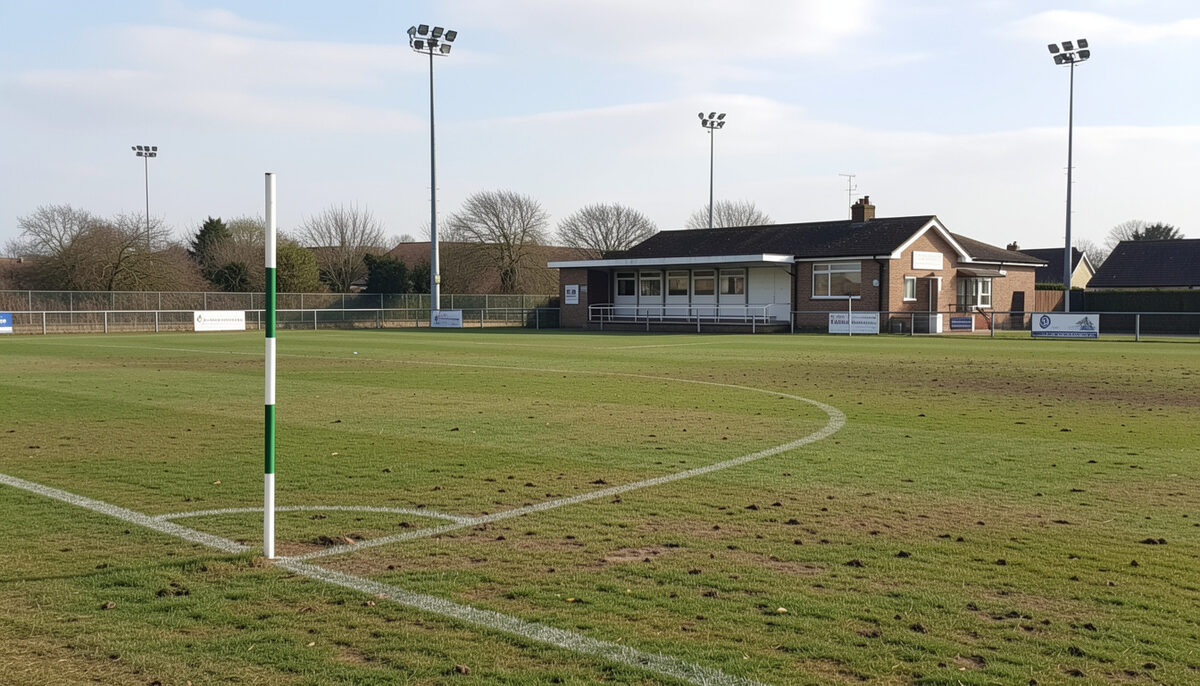
A playing pitch strategy is the document a local authority uses to work out whether it has enough sports pitches, of the right quality, in the right places, to meet current and future demand. It covers the main team sports played on outdoor pitches: football, cricket, rugby and hockey. The method has become a settled part of English planning practice, and it matters because the findings feed directly into local plans and decisions on planning applications. Without a robust strategy, pitches are vulnerable to redevelopment and demand goes unmet.
The approach is best understood as a sequence of linked stages. Each one builds on the last, so that by the end the authority holds an evidence base it can defend at examination and at appeal. Similar logic underpins open space assessments under PPG17, but pitch strategies go further, because the team-sport context allows demand to be modelled numerically.
Stage one: auditing the supply of pitches
The starting point is a full audit of every pitch in the authority's area. Consultants and council officers walk the sites. They record, for each pitch, its size, its ownership, whether it is drained, whether it has changing facilities and car parking, and its overall condition. An adult football pitch, a junior pitch, a cricket square and a hockey turf are not interchangeable, so each is logged separately, sport by sport.
Quality is assessed against a consistent scoring framework, so that a pitch rated poor in one part of the district is being measured on the same basis as one rated good elsewhere. The audit also records security of tenure: a pitch may exist on the ground today, but if it sits on land owned by a school or a club with no community-use agreement, it cannot be counted as reliable supply. This is the same disciplined fieldwork that supports surveys and audits of local provision more generally, and the results are usually captured spatially, following the methods described in mapping open space and catchments.
Stage two: surveying clubs and understanding demand
Supply is only half the picture. The second stage asks who actually plays on these pitches, and how much they play. This is done through structured surveys of the clubs in each sport: football clubs and leagues, cricket clubs, rugby clubs and hockey clubs. The questionnaires ask about team numbers by age group and gender, where teams train and play, how often, at what times, and what problems they face.
Clubs are also asked to rate the pitches they use, which provides a demand-side check on the quality scores from the site audit. Where a club reports that teams are turned away, or that latent demand exists among people who would play if a pitch were available, that evidence is captured too. Getting a good response rate matters here, and the techniques involved are those set out in the practice of community consultation, done properly: careful questionnaire design, persistence, and analysis that can stand up to scrutiny. Poor response rates produce strategies that understate demand, and understate it in exactly the places where clubs are least organised.
Stage three: supply and demand modelling
With supply and demand both quantified, the two are brought together. Playing pitch strategies express the balance in matches per week, or per season for cricket. Each pitch has a carrying capacity: the number of matches it can sustain before wear degrades it. Demand is expressed in the matches that teams want to play. Comparing the two, area by area and sport by sport, shows where there is a surplus, where there is balance, and where there is a shortfall.
The modelling then tests future scenarios. Population growth, housing allocations and changing participation patterns, including the growth of the women's and girls' game, all shift the numbers. A strategy that shows balance today may show a significant deficit once planned housing is occupied. The spatial dimension is critical: a surplus of pitches in the north of a borough is of little use to a junior team in the south that cannot travel. Catchment analysis, quality-adjusted supply and team-generation rates drawn from population data all feature at this stage. The output is typically a set of findings per sport, per analysis area, with the shortfalls converted into a figure for pitches needed.
Stage four: protecting provision through planning obligations
The final stage turns findings into policy. If the modelling shows that new housing will generate demand for additional match capacity, the strategy provides the evidence base for requiring contributions from development. Through the mechanism of planning obligations, a local authority can seek provision of new pitches, improvements to existing ones, or contributions toward drainage, changing rooms and maintenance, in proportion to the demand the development creates.
This is where the strategy earns its keep. An inspector or a planning appeal is unlikely to accept an unsupported claim that a development needs to fund pitches. A strategy built on audited supply, surveyed demand and transparent modelling gives the authority a defensible basis. It also supports the protection of existing pitches: where the evidence shows a current or future shortfall, the loss of a pitch to development becomes hard to justify. The same relationship between evidence and policy runs through land use planning, from policy to application as a whole.
An archived example: the Thurrock outdoor sport strategy
The archive at this address includes work on outdoor sport strategy for Thurrock, which illustrates the method in practice. Such strategies follow the recognised national framework, the guidance prepared by Sport England on playing pitch strategies, which sets out the assessment and strategy stages local authorities are expected to follow (Sport England playing pitch strategy guidance). A completed strategy of this kind sits alongside the authority's wider open space evidence, complementing the assessment of play provision and playing pitches and informing the local plan for years after its adoption.
The enduring lesson from these documents is methodological. Numbers about pitches carry weight only when the underlying audit is honest, the club surveys are well executed, and the modelling is shown, step by step, to connect housing growth with the matches that will need to be played. Done properly, a playing pitch strategy is one of the clearest examples of planning evidence doing practical work.